Mold inspection in St. George: what to know
St. George is Staten Island's transit hub — the Staten Island Ferry terminal, Borough Hall and the surrounding government and commercial district generate significant food-waste pressure and pedestrian density that sustains strong rodent and cockroach populations in the service areas of adjacent buildings.
The neighbourhood is experiencing rapid residential conversion of older commercial and institutional buildings; these conversions retain the deep service basements and original utility systems where cockroaches and mice establish before new tenants arrive.
High transit foot traffic through the ferry terminal area and growing restaurant and bar activity along Richmond Terrace make bed bug pressure a consideration for the neighbourhood's residential buildings; older commercial-to-residential conversions benefit from professional pre-occupancy pest clearing.
How much does mold inspection cost in St. George?
$10–$25
Per sqft (national); national average ~$15–18/sqft. Complex projects (hidden mold, wall-cavity access, HVAC) run $15–$30/sqft.
| Under 10 sqft | $500–$1,500 total job |
| 100 sqft | $1,000–$2,500 total job |
| Whole-house / major | $10,000–$30,000 total job |
| Typical project total | $1,200–$3,750 total job, national avg ~$2,300–$2,400 |
US national figure — NYC typically runs higher.
Tier-2 NYC industry sources cite the Bronx and Staten Island as generally the most price-competitive boroughs for pest control, though this is directional signal from industry blogs, not an independently verified figure.
Market range — not our quote
This is a market range synthesised from published cost guides — not a quote from this provider. The actual price depends on an in-person or photo-based inspection.
US NATIONAL — NYC typically higher.
What drives the price
- Square footage of affected area
- Mold type and whether it's hidden (wall cavities, HVAC)
- Complexity (containment, air scrubbing, HVAC cleaning)
- Cause (recurring leak vs. one-time water event)
Signs you need mold inspection
- A musty or earthy odor in a room, closet or basement, with or without visible growth
- Visible dark, green or white spotting on walls, ceilings, grout or window sills
- A past or current leak, flooding event, or chronic condensation that was never fully dried out
- Water stains, bubbling paint, or warped materials suggesting moisture behind a surface
- You're buying, selling, or renting a property and want a documented mold condition assessment
How we treat mold inspection in St. George
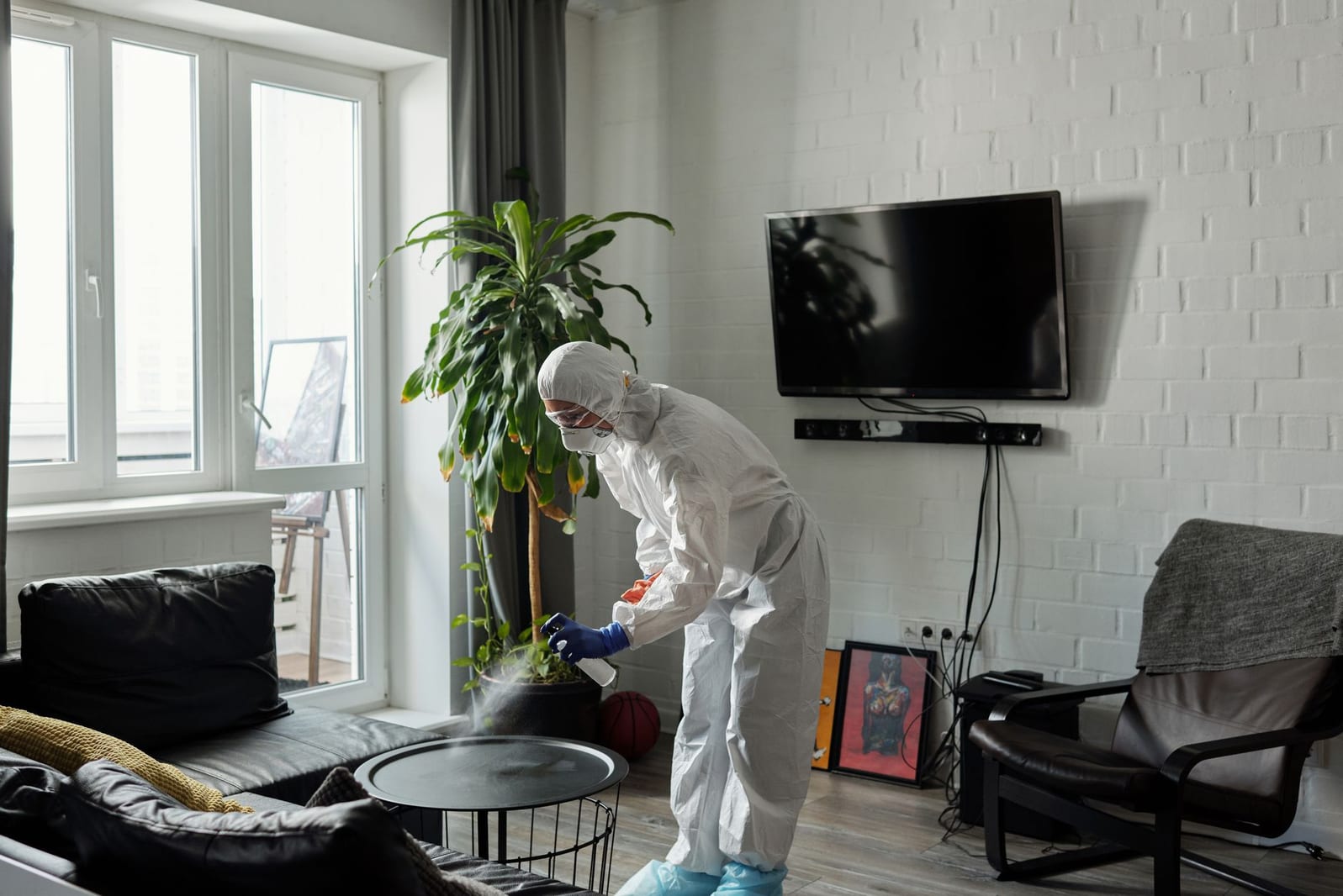
A mold inspection starts with a visual, room-by-room assessment of the property, looking for visible mold growth, moisture staining, and conditions that support mold (poor ventilation, past or active leaks, condensation points). Just as important as spotting visible mold is tracing it back to its moisture source — mold needs sustained moisture to grow, so an inspection that finds mold without identifying what's feeding it leaves the underlying problem unresolved.
A visual inspection is often sufficient on its own: if mold growth is visible and its moisture source is identifiable (a leaking pipe, a roof leak, chronic condensation on a cold surface), remediation can often proceed based on the visual findings without needing lab sampling. Testing becomes warranted in specific situations — when there's a musty odor but no visible growth, when occupants report health symptoms and want to confirm mold is or isn't a factor, when growth needs to be identified by type, or when a clearance test is needed to confirm remediation worked.
Local landmarks & coverage
We serve all of St. George and the surrounding Staten Island area — including St. George Ferry Terminal, Richmond County Bank Ballpark, New York Supreme Court (Staten Island), Borough Hall, Richmond Terrace — across ZIP codes 10301, 10302.